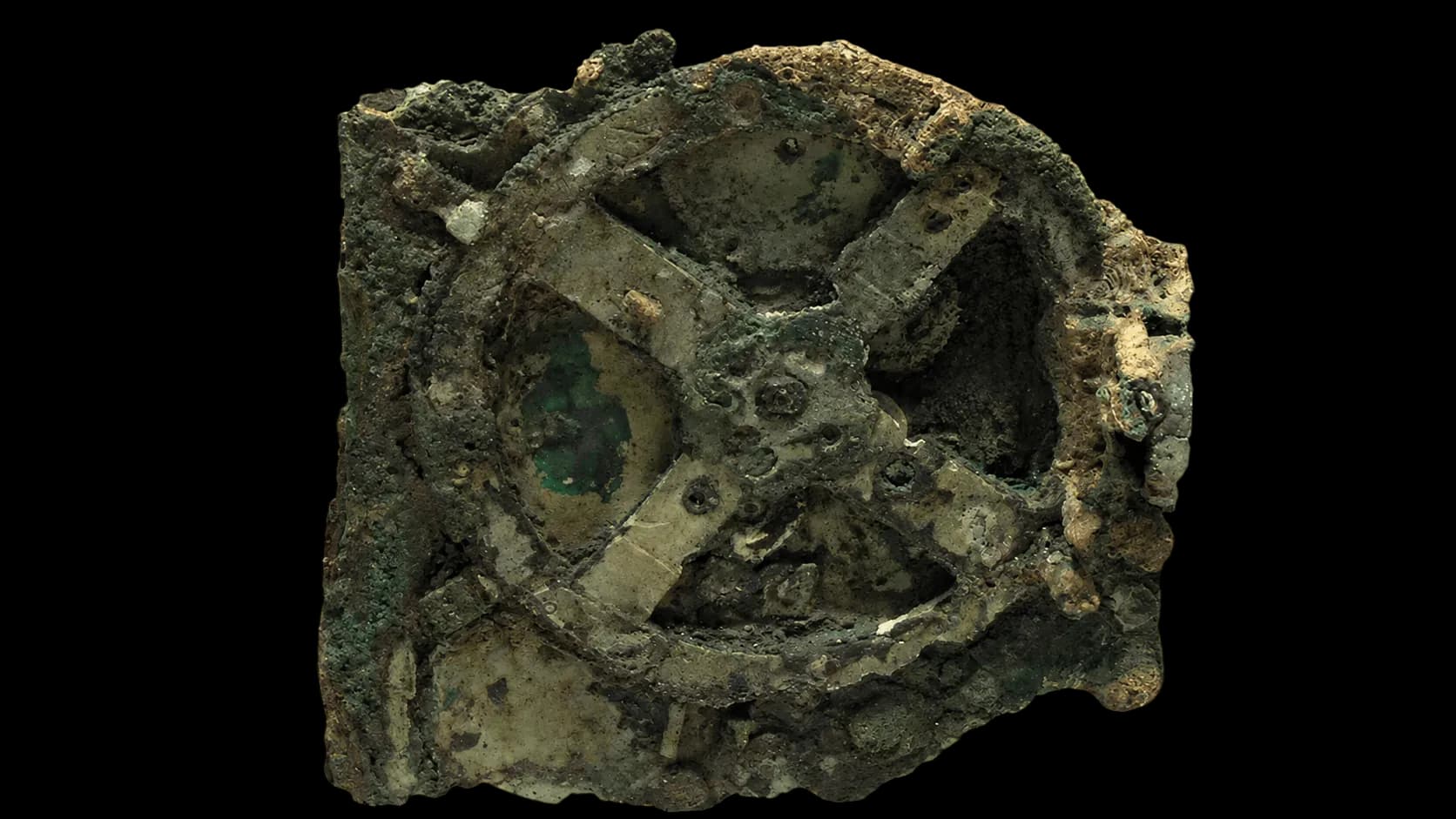

Governance under pressure has hidden mechanics
IPD studies the evidence, institutions, and expert networks that make public reasoning survive chaos.
Good governance under chaos
Most policy research is a collection of separate studies on separate topics. The Institute of Policy Dynamics is organised around a single question — and every piece of work is a lens on it.
Several pressures usually treated as Bangladesh’s particular problems — low institutional trust, weak civic participation, and conflict over scarce resources — may be the early form of a condition wealthier, more stable societies are drifting toward. IPD holds this as a hypothesis to test, not a truth to assert.
If that is right, a society already living with these pressures is a leading indicator — and Bangladesh becomes a source of evidence other societies can learn from, not only a recipient of aid.
“No famine has ever taken place in the history of the world in a functioning democracy.”
Amartya Sen, economist and Nobel laureate
Six divisions. One shared standard.
Each division has its own field, but all answer the same question — which is what makes IPD one institute rather than six. Two are active at founding; the rest open as division leads join.



Methods & Measurement
It owns the Longitudinal Governance Panel and sets the standards every division works to: causal identification, pre-registration, replication, and open data and code.
A defined path from student member to division lead.
Many capable researchers in Bangladesh have no institutional affiliation, no byline, and no formal title — regardless of how good their work is. IPD provides those directly: a fellowship title, authorship on published research, mentorship and methods training, and the five stages below from student member to division lead.

Student member
University research societies — beginning with BUET and Dhaka University — as the first stage.
Fellow
Methods training, a byline, and a first cohort of mentored research.
Project researcher
Original, publishable work scoped to a fundable project.
Division contributor
Shaping a division's agenda and mentoring those who follow.
Division lead
Own a field, set its research agenda, lead its fellows.
We judge arguments by evidence anyone can examine — not by who makes them.
IPD is non-partisan as a matter of method: it judges any government, party or institution by one standard — the quality of the public reasons offered for what it does. That standard, not any allegiance, is what lets the collective outlast any administration, any funder, and any one of us.

We default to open
Open data, open code, open methods, community-driven research — because evidence anyone can examine requires materials anyone can access.
Governance designed against capture
Contribution-weighted membership, mandatory founder term limits, a sunset on founder control, and a standing independent board seat. We make governance dynamic — not economic ownership.
A strict, one-way wall
Commercial entities may fund the collective; the collective's reputation, access and research are never instruments of any commercial interest. The wall is absolute.
The reward is ownership.
This is early. The resources are modest, the work is real, and the credibility we build does not yet exist — you would be lending yours to help create it. Founding members shape the mission, the standards and the culture in a way no later joiner can.
Division leads
Own a field, set its agenda, lead its fellows.
Board & advisors
Independent oversight that can constrain the founders.
Founding fellows
Do the work that sets the standard, and mentor others.
Institution-building
The decisive work of turning an initiative into an organisation.